
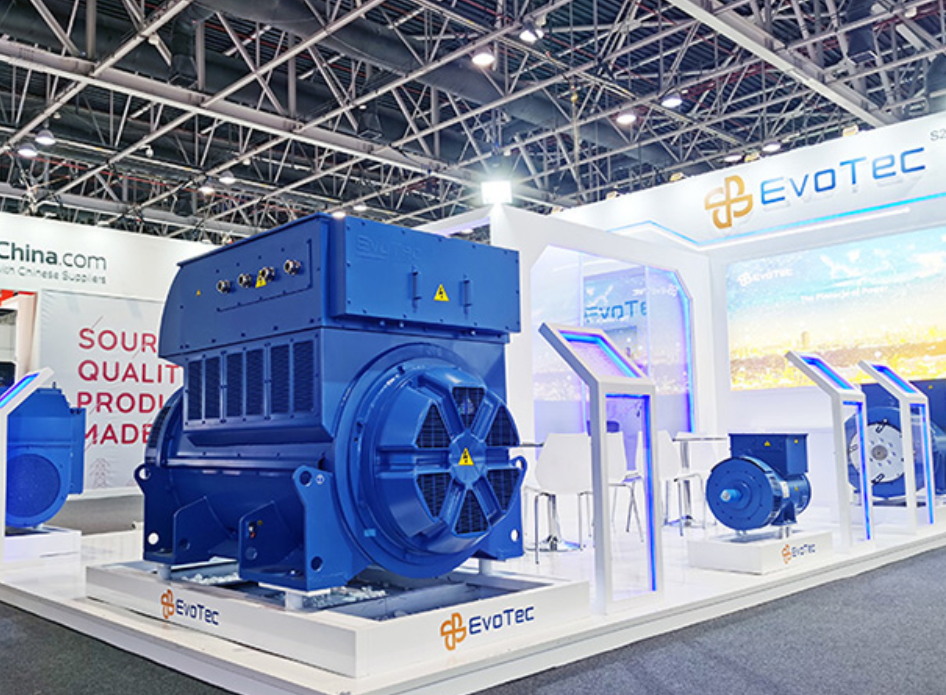
Clear, practical start for the buyer
For anyone buying a OEM alternator, the insulation on the stator windings is not decorative — it is the difference between steady power and constant headaches. When you specify a custom high output alternator, insist on insulation class H because that thermal rating governs how long the machine survives real-world heat, overloads and rough duty cycles. Plain talk: Class H means the windings tolerate higher temperatures without the varnish and insulation breaking down — that saves time and naira in the long run.
What insulation class H actually gives you
Insulation class H is rated to withstand temperatures up to 180°C. Practically, this translates to better resistance against thermal ageing, improved dielectric strength under heat stress, and higher tolerance for repeated thermal cycles. For a custom high-output alternator intended for continuous duty or frequent overloads, Class H reduces the chance of thermal runaway and premature turn-to-dust of the winding insulation. That is a real technical advantage, not marketing fluff.
User risks when insulation is underspecified
Many firms in Nigeria and beyond learn the hard way — alternator fails mid-shift, production halts, service crew scrambles. In Lagos industrial estates where load-shedding forces heavy genset use, I’ve worked on retrofits where standard insulation melted after a few months; the client lost weeks of uptime. The core risks: varnish cracking, shortened MTBF, higher leakage currents and sudden dielectric failure. Fixes cost more than the right insulation from day one.
Design trade-offs and what to demand
Good designers balance thermal rating, cooling, and material costs. Class H allows tighter compact designs and higher continuous output, but you must pair it with proper cooling channels, correct impregnation process and verified dielectric testing. Ask for documentation on:- thermal endurance tests (hours at 180°C or specified thermal cycles),- winding resistance and insulation resistance figures after heat soak,- varnish impregnation method and cure profile.These are the tangible specs that show a supplier understands stator winding life, not just stickers on a datasheet.
Common mistakes buyers make — and how to avoid them
Too many buyers focus only on maximum kW or short-term price. They skip questions about thermal cycling, ambient conditions and AVR compatibility — then they wonder why bearings and windings fail early. Also, mismatched IP rating or inadequate cooling ducts turn class H into false security. Simple checklist to avoid trouble:- Confirm class H certification and see the test reports.- Verify cooling method and expected ambient temperature.- Match the alternator’s continuous duty rating to your application.Small steps upfront save big maintenance bills later — and fewer emergency calls to the workshop.
Supplier checklist — what to ask before you sign
Put these on your RFQ and cross-check answers:1. Can you provide thermal endurance test logs at 180°C and post-test insulation resistance? 2. What impregnation process and varnish class do you use, and what’s the cure profile? 3. What is the alternator’s continuous duty rating and recommended cooling method? Get those answers in writing. If the supplier hesitates, move on — reliability is built from clear measurements, not assurances.
Three golden evaluation metrics
For final selection, use these three metrics as your non-negotiables:1. Verified thermal test reports showing sustained performance at class H temperatures. 2. Measured insulation resistance and dielectric strength before and after thermal cycling. 3. Proven track record in environments like yours — documented uptime and retrofit cases in similar industrial zones. These metrics let you compare offers on evidence, not promises. When a maker couples proper class H insulation with robust cooling and tested stator windings, you get an alternator that stands up to harsh duty and keeps your operations moving.
For buyers who want a partner that understands these details and builds to spec, EvoTec puts those measurements and field experience at the centre of design — practical, proven and ready to deliver the kind of resilience your site needs. —