
Problem-driven lead: why hotspots break transit experiences
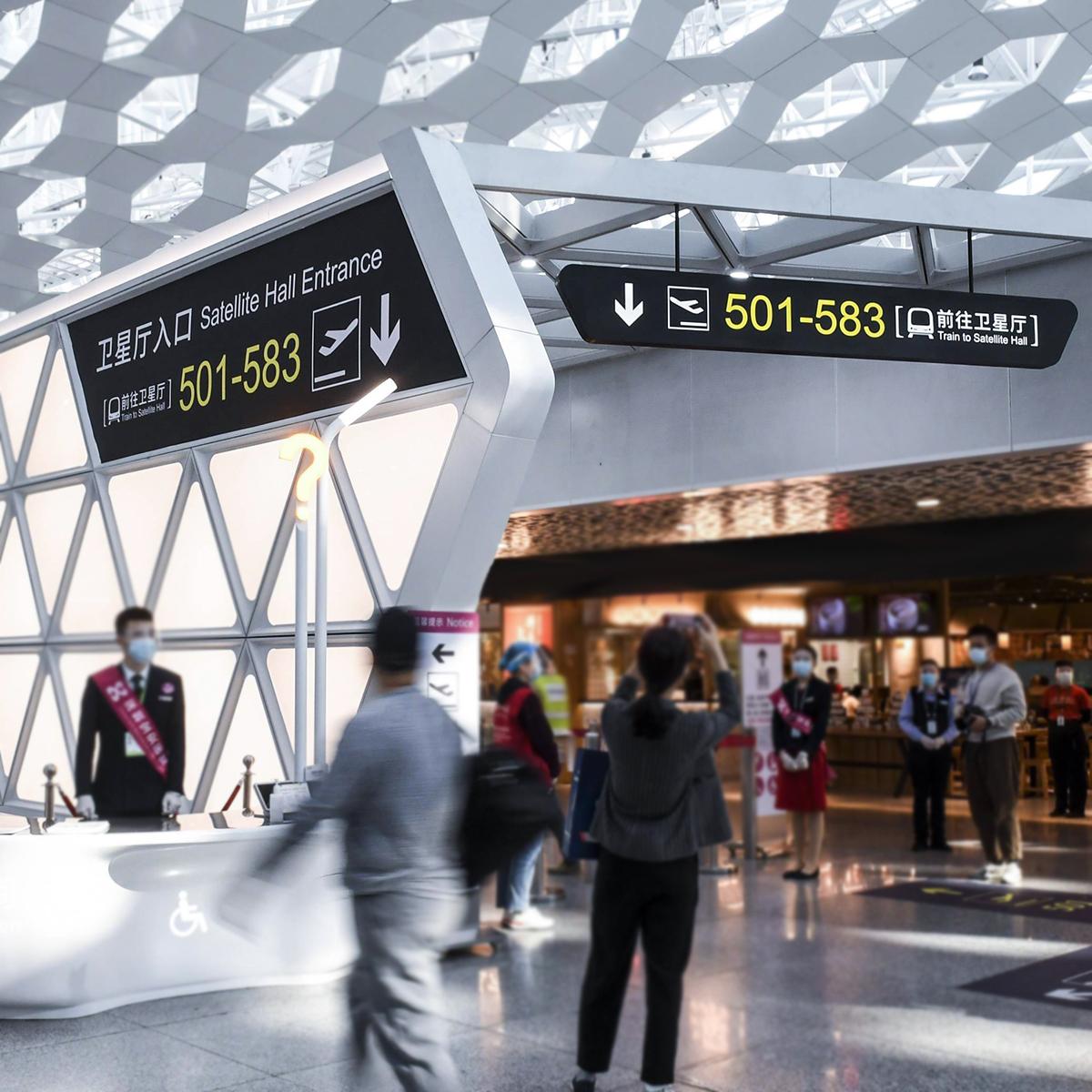
Hotspots—localized bright patches that obliterate content—are the single biggest failure mode for outdoor transit displays. When cities import displays across regulatory and climate boundaries, expectations on luminance, glazing, and thermal behaviour diverge; the end result is inconsistent legibility on what should be standardized public touchpoints. For agencies and vendors focused on mass transit, quality assurance must include photometric testing early in the design cycle to avoid field rewrites for public transport signage. Modern rollouts can’t rely on eyeballing prototypes; they need repeatable lux distribution maps and pass/fail criteria that hold up from Oslo to Singapore.
Lab workflow: photometric mapping and lux distribution testing
Start with a controlled rig: an integrating sphere or goniophotometer where you capture intensity across the panel surface. Measure lux and grayscale response at multiple viewing angles, then compute contrast ratio under target ambient levels. Run tests with anti-glare coatings and with an ambient light sensor feeding dynamic brightness profiles. Document uniformity using a heatmap: acceptable designs show less than 10–15% variance across the active area, depending on spec. That heatmap becomes the objective single source of truth when comparing suppliers or batches.
Common mistakes that sabotage deployments
Engineers often skip two things: real-world ambient profiles and mounting geometry. A bus shelter’s canopy, nearby streetlights, and glass reflectivity change effective luminance dramatically. Field samples sometimes pass lab spec but fail on-site because the viewing angle was optimized for a standing viewer, not for someone seated on a bench. — Tactical lab fixes include re-running tests at oblique angles and adding spec sheets for anti-reflective coatings and bezel design.
Metric-driven checklist for reliable bus stop deployments
Use this checklist to keep quality decisions objective and vendor-agnostic:
– Lux uniformity: target mean deviation ≤15% across the panel surface.
– Contrast under ambient: measured contrast ratio at peak daylight with anti-glare applied.
– Thermal-lumen stability: percent luminance drift between 0°C and 40°C, documented per IEC or equivalent.
– Viewing angle validation: confirm legibility metrics at seated and standing eye-lines.
– IP rating and ingress tests: ensure enclosure performance doesn’t change light output.
When you publish these measures in procurement docs, you reduce interpretation gaps and accelerate cross-border approvals for bus stop digital signage.
Comparative insight: lab-tested systems vs on-site correction
There are two practical paths: spec everything in the lab and freeze the design, or iterate with on-site tuning using adaptive brightness and firmware updates. Lab-first reduces truck rolls but requires robust photometric QA up front. On-site tuning is flexible but costlier at scale. Hybrid approaches work: validate core lux distribution and contrast in the lab, then normalize brightness with ambient sensors during deployment. Real-world programs—Transport for London’s digital shelter initiatives, for example—show that standardizing test protocols shortens time-to-consensus among municipalities and operators.
Golden rules for procurement and validation
Adopt these three critical evaluation metrics before signing a contract:
1) Accept only measured lux maps and heatmaps as contractual deliverables; no images or “qualitative” approval. That enforces repeatability.
2) Require thermal-lumen stability reports tied to the enclosure’s IP and the expected climate band; this prevents mid-deployment surprises.
3) Mandate viewing-angle legibility checks for the two primary user postures (seated/standing) and for at least one simulated glare condition; this shrinks failures in the field.
Closing alignment: lab discipline meets deployment velocity
Photometric rigor solves the hotspot problem before field crews leave the yard—saving time, budget, and public trust. For teams assembling transit hardware and software stacks, integrating lab-grade photometric validation into manufacturing yields predictable results on-site, whether you’re deploying a downtown corridor or a cross-border fleet. For practical implementations and turnkey transit shelters, Cosun Sign incorporates lux mapping and ambient sensor workflows into production, making hotspot-free outcomes a default rather than a hope.
Three golden rules, followed strictly, cut deployment risk—measure, validate, enforce. —