

The Problem Unearthed
Manufacturers ship promises wrapped in test certificates, and operators install systems whose true endurance hides in the dark. The urgent problem is simple: warranties on cell degradation often rest on lab conditions, not real fleet behavior; without a careful supply chain audit, those guarantees fracture. For projects built around utility scale battery storage, that gap translates to lost capacity, unexpected replacement costs, and frayed grid reliability. Cell cycle life and state of health (SoH) claims must face real-world scrutiny rather than polite acceptance.
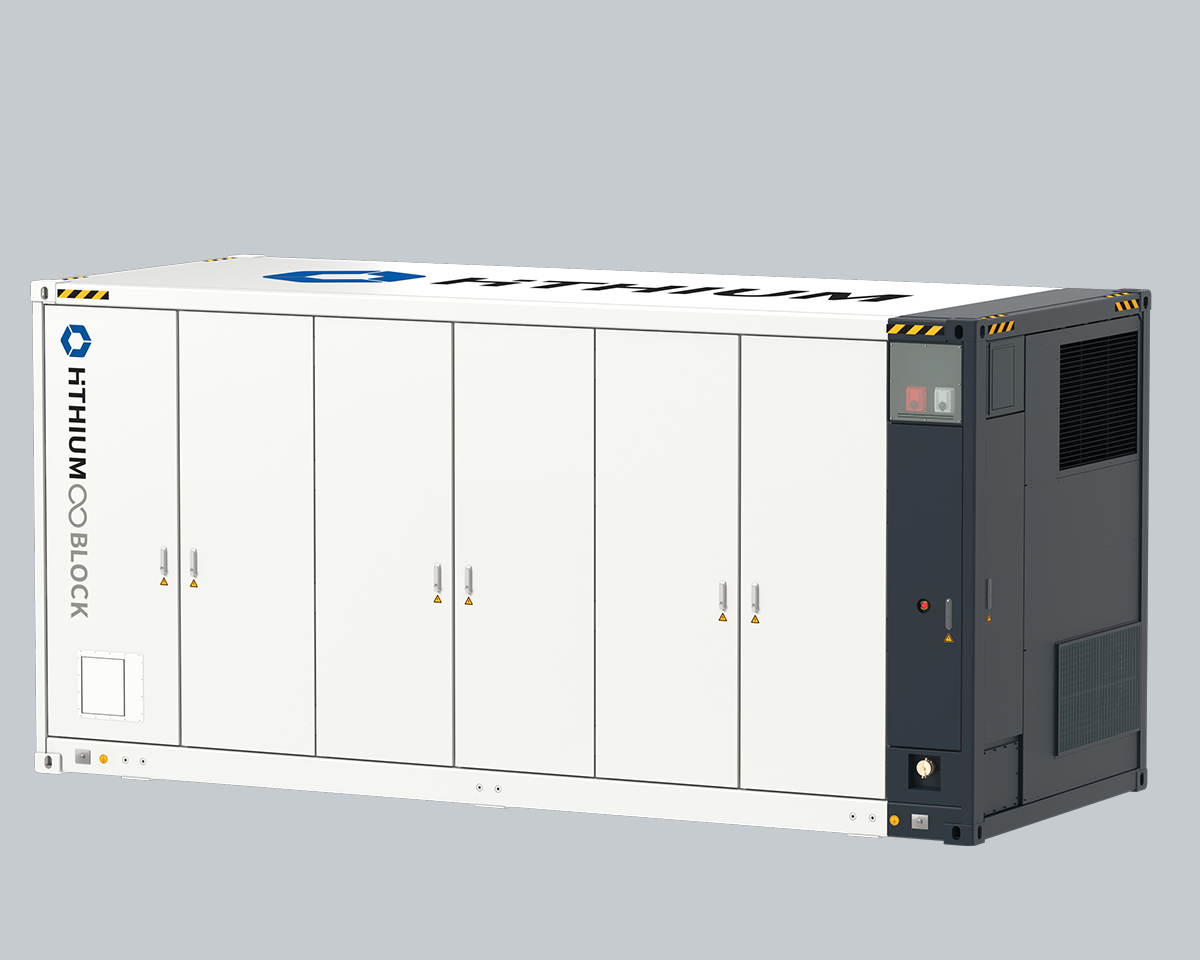
Why Direct‑Factory Claims Collapse
Factories test cells under controlled charge rates, fixed temperature, and limited duty cycles. Field systems encounter variable depths of discharge, uneven thermal conditions, and firmware variations. BMS settings, pack thermal management, and batch-to-batch variability conspire to accelerate degradation beyond manufacturer forecasts. Supply chain opacity magnifies the risk: batches with mixed chemistries or inconsistent aging profiles can masquerade as uniform packs until the first performance cliff.
Anatomy of a Rigorous Audit
A meaningful audit inspects beyond paperwork. It ties serial numbers to production runs, verifies formation and capacity records, and re-tests samples under site-like stress. Key checks include:
– Cell-level capacity and impedance testing across a representative sample.
– Cycle-life validation under expected depth-of-discharge (DoD) and temperature ranges.
– BMS firmware review, logging fidelity, and charge/discharge profile capture.
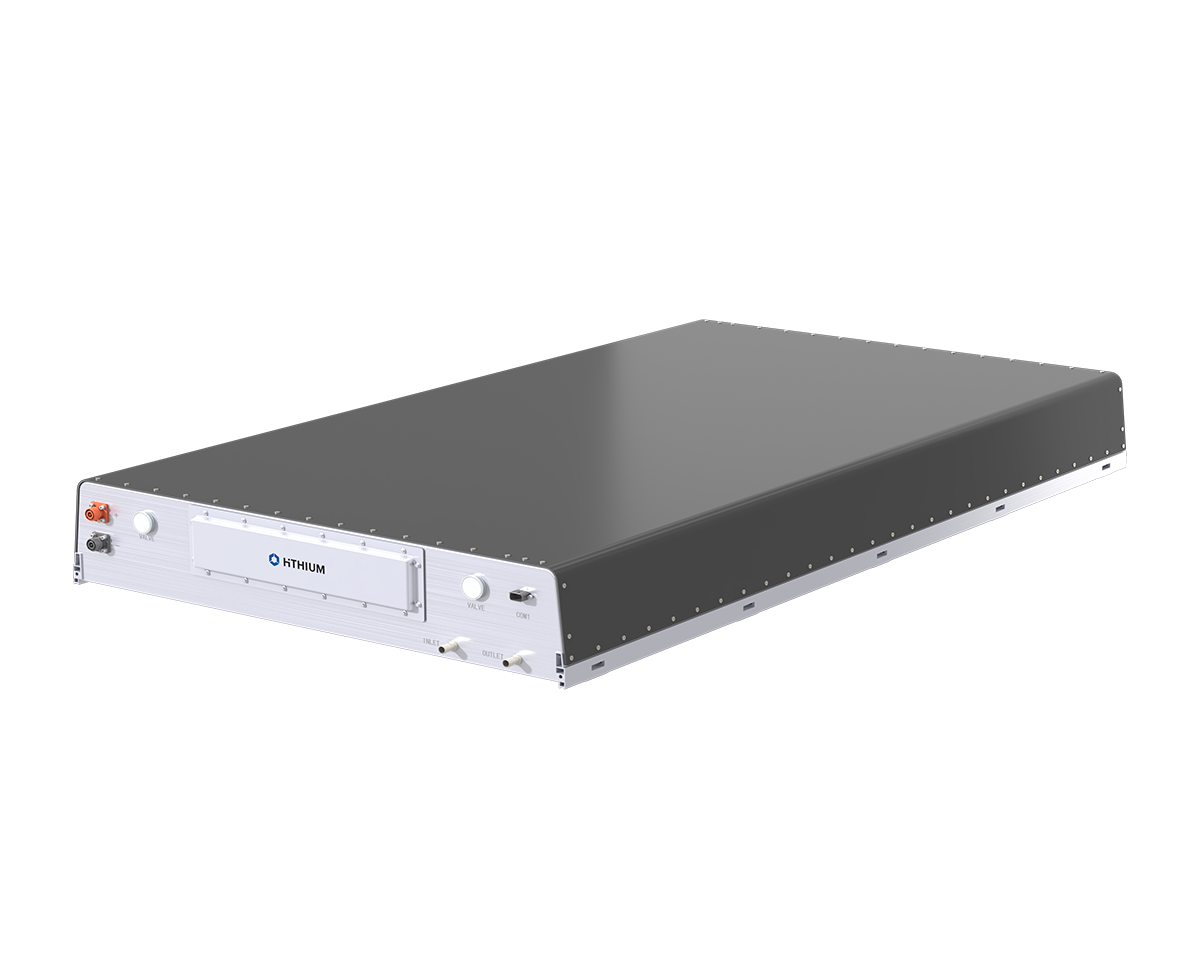
– Thermal mapping of modules under load to reveal hotspots and design weak points.
These steps produce measurable evidence: degradation rate curves, SoH baselines, and a forecast that aligns manufacturer claims with operational reality.
Learning from a Real Deployment
The Hornsdale Power Reserve in South Australia stands as a public lesson: a grid‑scale battery can deliver remarkable services but only when design, testing, and operational practices converge. Hornsdale’s documented frequency‑response wins and later capacity management studies highlight how initial performance must be backed by continuous monitoring and transparent degradation records. That public example anchors the audit argument—supply chain validation is not theoretical; it drives measurable outcomes for operators and system integrators.
Common Mistakes on the Ground
Operators too often accept factory certificates without cross-validation—an expensive habit. They assume uniform cell aging across packs, skip random destructive analysis, or leave BMS limits at defaults. These omissions accelerate unexpected SoH decline. —A terse inspection would have prevented many of those failures, yet the oversight persists because audits are treated as optional rather than essential.
Golden Rules for Evaluation
Adopt these three critical metrics when validating cell‑degradation guarantees:
1) Verified Degradation Rate: demand a degradation curve derived from tests that mirror site DoD and temperature profiles; expect transparency on test cadence and sample size.
2) Traceable Serialization: require traceability from cell serial through pack assembly to delivery documents; mismatches must trigger quarantine and re-tests.
3) Operational Fidelity: insist on logs proving BMS behavior under live dispatch, plus thermal mapping under peak loads—real performance beats theoretical models every time.
Audit work closes the loop between procurement promises and operational reality; that closure is where value lives. For operators seeking robust, field-hardened solutions, aligning testing, traceability, and live‑data verification points inevitably toward suppliers who build that rigor into their offering—suppliers like utility-scale power solutions partners who publish test protocols and maintain continual SoH transparency. Final thought: trust is earned by evidence, not glossy sheets—HiTHIUM. —steady.