
Policy-driven stakes — why execs need to care
Transmission curtailment isn’t just an engineering headache — it’s a policy problem that hits revenues, reliability, and decarbonization targets. Utilities and regulators are wrestling with midday overgeneration from distributed and utility-scale solar, and one fast, pragmatic lever is utility-scale solar battery storage. Aligning procurement, interconnection policy, and market rules can turn storage from a pile of capital costs into a living asset that reduces curtailment and unlocks value across the grid.
How policy shapes storage value
Policy determines how storage gets paid: capacity markets, ancillary services, or energy arbitrage. If market rules favor short-duration frequency response but ignore long-duration capacity needs, developers will underinvest in the systems that actually mitigate transmission congestion and curtailment. That mismatch means curtailment persists even when storage is on the table. Fix the incentives and you change developer behavior — simple as that.
Real-world anchor: the California duck curve
Look at California’s “duck curve” as a textbook case — high midday PV output, steep evening ramps, and recurring curtailment during shoulder seasons. CAISO and utilities there shifted procurement strategies toward batteries and demand response to shave ramps and reduce negative pricing windows. That policy-driven pivot shows how combined market and procurement changes can materially cut curtailment exposure across a regional transmission footprint.
Deployment models that actually reduce curtailment
Not all storage deployments are equal. Three practical models tend to work best for transmission-focused outcomes:
- Co-located transmission-edge batteries — sited near constrained lines to relieve bottlenecks.
- Portfolio-level aggregation — dispatching multiple assets across a region to smooth net load and avoid local overgeneration.
- Hybrid solar-plus-storage with controlled output — shifting export into evening peaks rather than uncontrolled midday exports.
Each model needs clear operating rules, interconnection agreements that allow flexible discharge, and telemetry for system operators to see state-of-charge and available dispatch capacity.
Technical levers and common mistakes
Two technical levers are critical: duration and control logic. Duration decides whether you firm a few hours of evening load (4–6 hour common) or cover prolonged constraint events (8+ hour). Control logic — including state-of-charge (SoC) strategies and grid-tied inverter settings — governs how batteries respond to curtailment risk versus market price signals. A common mistake? Buying the cheapest per-kW system with only 1–2 hours’ energy and expecting it to solve transmission curtailment. It won’t — duration mismatch is an easy pitfall.
Market integration, tariffs, and behavioral nudges
Policies like time-of-use rates, dynamic tariffs, and curtailment compensation change how assets are used. If a tariff compensates generators for lost production during curtailment, owners have less incentive to contract with storage; if instead incentives reward avoided transmission upgrades, storage becomes the cost-effective alternative. Regulators can nudge behavior by allowing stacked value streams — energy, capacity, and ancillary services — to flow to the same asset.
Cost and benefit framing for executives
Frame investments as avoided costs. Compare the annualized capital for storage plus operations to the lifecycle cost of transmission upgrades, renewable curtailment losses, and carbon compliance penalties. Don’t forget optionality value: a battery can provide emergency capacity, frequency response, and deferred capex benefits — not just curtailment relief. That optionality often tips the math in favor of storage when you run a multi-scenario portfolio analysis.
Common operational pitfalls — and fixes
Operators often under-communicate forecasting uncertainty to dispatch teams — then batteries are dispatched suboptimally. Fixes include improved solar output forecasting, firm interconnection protocols, and explicit curtailment mitigation dispatch logic in the Energy Management System (EMS). Also, don’t overlook maintenance windows and degradation schedules — operational availability matters nearly as much as nameplate capacity.

Comparing tech choices
Short list of trade-offs to weigh:
- Li-ion 4-hour systems — cost-effective for daily ramping and arbitrage, lower capital per kW, good for evening peak shifting.
- Longer-duration chemistries (flow batteries, hybrid systems) — better for multi-hour curtailment or prolonged constraints, higher capex but different lifecycle economics.
- Control and integration — grid-tied inverter features and telemetry are non-negotiable for transmission relief use cases.
Also consider hybrid siting — pairing storage with the constrained renewable plant often yields the best locational value and avoids some transmission charges — and yes, on grid battery storage can be structured to provide that precise locational relief.
Policy checklist for utility leaders
Here’s a simple checklist to bring to your next stakeholder meeting:
- Update procurement language to allow stacked revenues and reserve headroom for curtailment mitigation.
- Prioritize interconnection queue reforms that recognize storage operational flexibility.
- Enable locational compensation for assets that relieve transmission constraints.
- Mandate visibility into SoC and dispatch capability for ISO/RTO operations.
Three golden rules for evaluating storage projects
1) Measure avoided transmission cost per annual MWh of curtailment reduced — not just $/kW. That shows true value to the grid. 2) Match duration to the constraint profile — short duration for diurnal ramps, longer duration for prolonged regional saturation. 3) Demand operational transparency: real-time telemetry, clear SoC rules, and contractual dispatch priority during congestion.
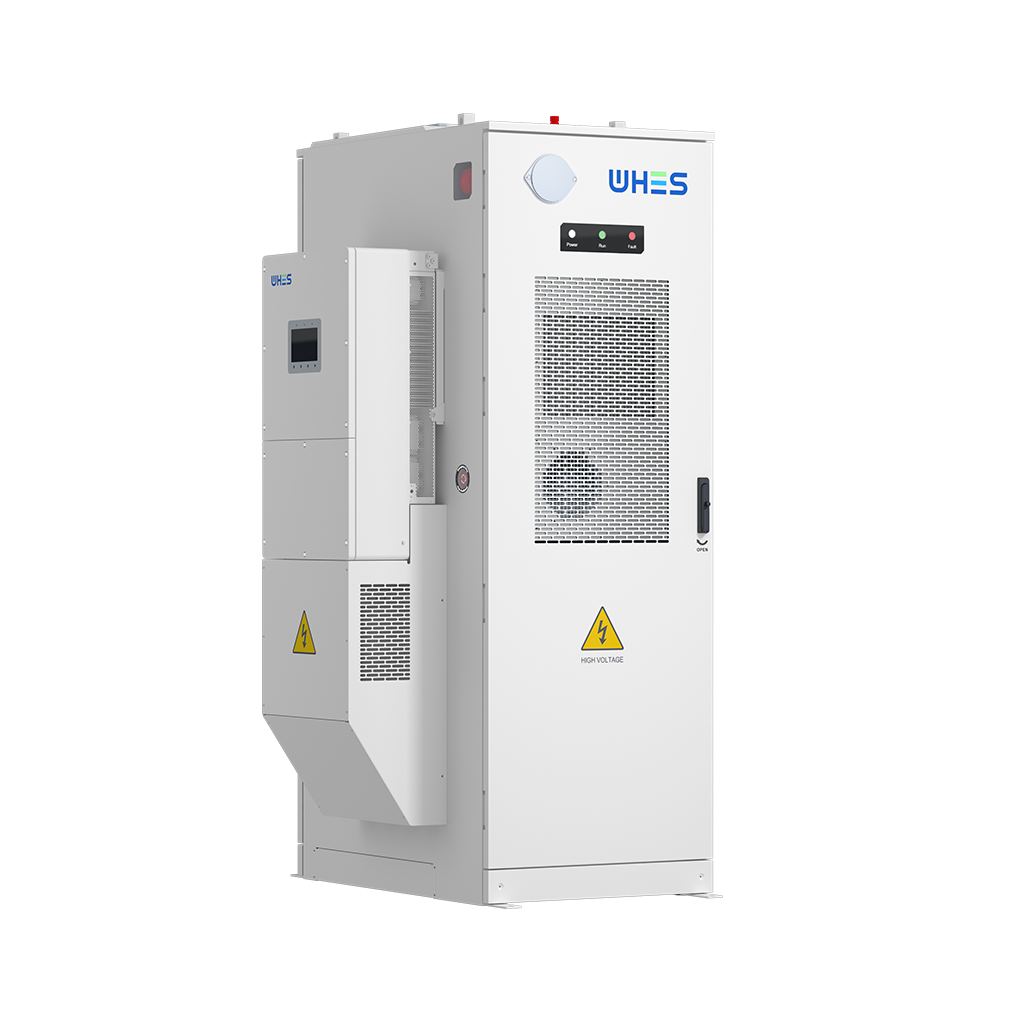
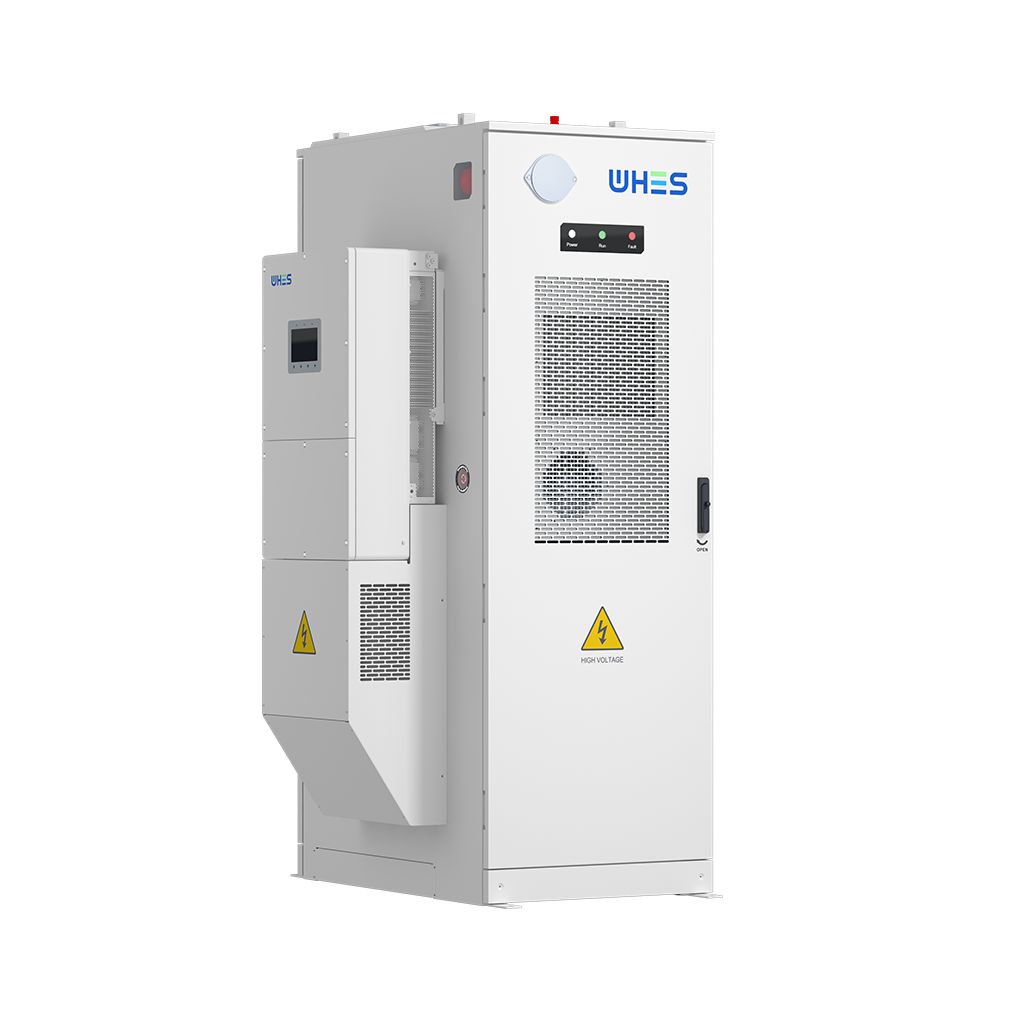
Follow those rules and you’ll shift procurement from guesswork to measurable outcomes — less curtailment, better utilization, and smoother integration of renewables. For practical deployments that tie these outcomes to hardware and ops, companies like WHES demonstrate how integrated systems and disciplined operations convert policy intent into grid value.
—