
The problem in plain terms
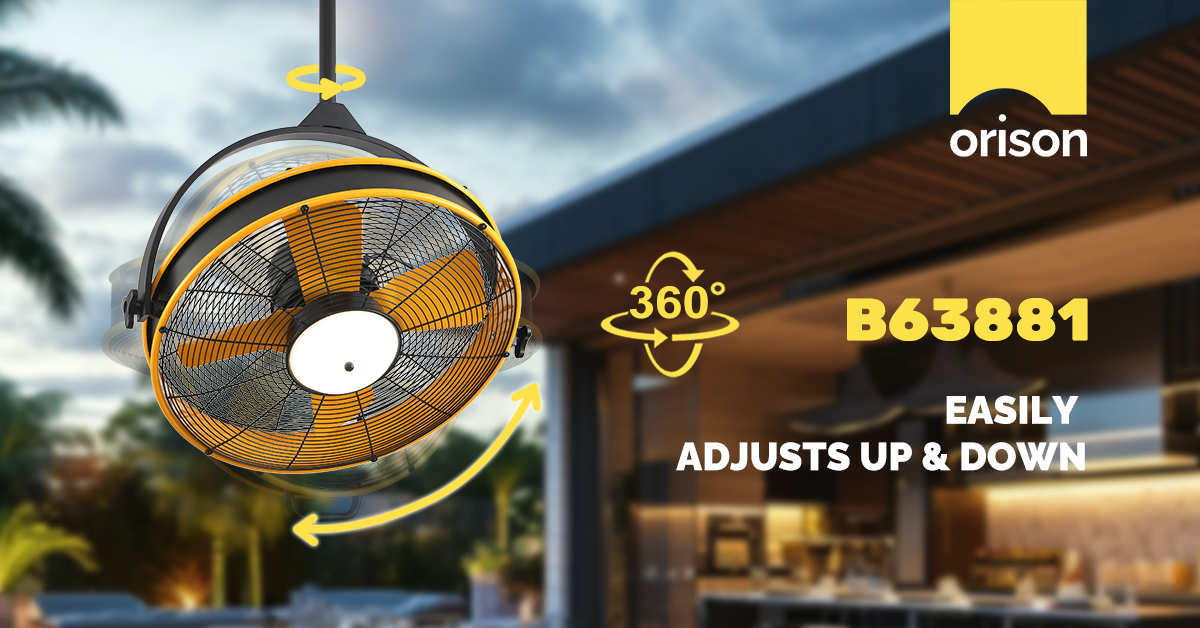
Mira — smart flush‑mount fan controls promise whisper‑quiet automation, but many homes end up with wobbly blades, intermittent connectivity, or a fan that just won’t hold a steady speed. For homeowners trying to modernize, that’s a real buzzkill. If you’ve been shopping for ceiling fans with light, you’ve probably seen sleek controls that claim “smart” performance, yet installation and real‑world use expose aerodynamic and signal problems that manufacturers don’t always show in the spec sheet.
What typically goes wrong
There are two overlapping failure modes: mechanical imbalance and electronic signal integrity. Mechanically, uneven blade pitch or poor balancing creates vibration and reduces effective airflow (CFM). Electronically, cheap RF modules or poor antenna placement cause packet loss and erratic fan speed control, so the motor jumps between RPMs. Both effects hit perceived comfort and can shorten motor life — and they’re often blamed on “bad product” when the root cause is installation or system mismatch.
Why flush‑mount controls are especially tricky
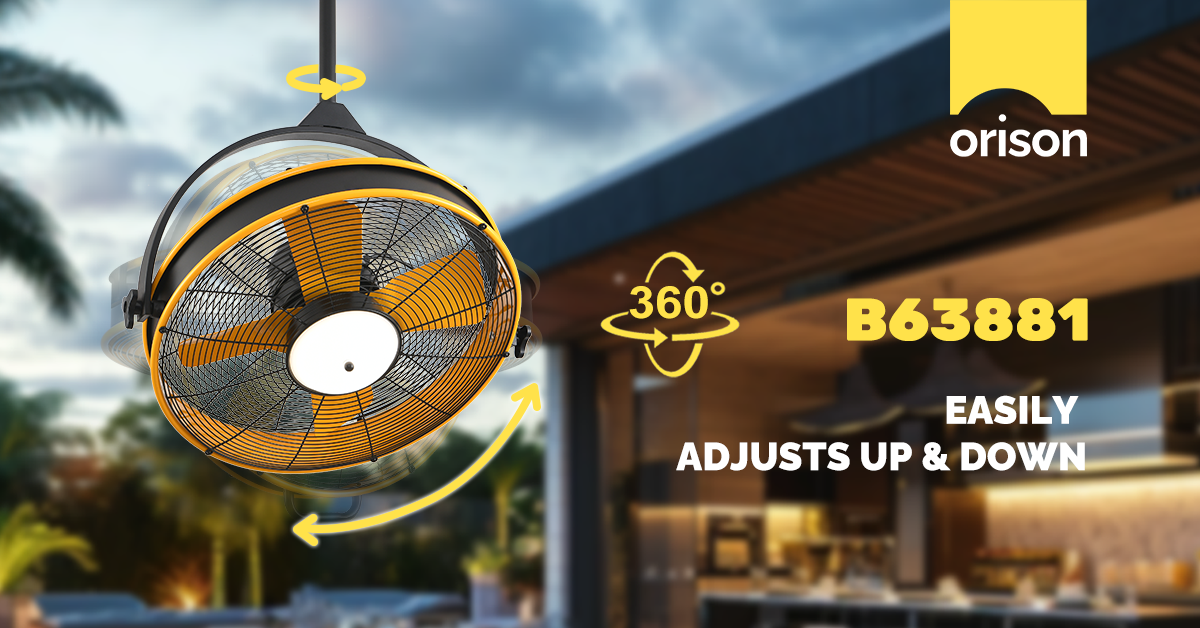
Flush mounts sit tighter to the ceiling cavity, which limits airflow around the motor housing and constrains antenna positioning. That dense environment can lower motor cooling and reduce motor efficiency, while metal joists or recessed cans introduce RF interference. Combine that with modern high‑torque motors that demand precise fan balancing and you’ve got a recipe for drift and noise — especially in older homes or apartments in cities like Los Angeles, where heat waves have pushed households to run fans nonstop and exposed weak installations during peak demand.
Quick diagnostics and fixes you can try
Start with simple, measurable checks before tossing the control. First, confirm blade balance: stop the fan and inspect blade pitch and alignment; small shims or a balancing kit often restore quiet operation. Second, test signal stability: place the control’s receiver away from metal junction boxes and avoid routing the antenna alongside high‑voltage wiring. Third, measure airflow: a quick CFM estimate can reveal if the fan is underperforming for the room size. If you have a smart hub, verify that the device shows consistent RSSI — low signal strength explains many “ghost” speed changes.
Common installation mistakes — and how to avoid them
Installers frequently underestimate two things: canopy clearance and heat dissipation. Tight canopies on flush mounts can trap heat, reducing motor efficiency and leading to thermal cutouts. Also, people assume a universal remote will match any motor; but not all receivers are tuned for variable‑speed brushless motors — so you get odd stepping or surges. The fix? Use a receiver specified for your motor type and leave a small ventilation gap in the canopy where possible — and siempre, test fan speed across all RPM settings before closing the ceiling hole.
Choosing the right smart control: a practical checklist
When picking controls for residential ceiling fans, prioritize three things: compatibility (motor type and fan speed control protocol), signal robustness (mesh vs. point‑to‑point and antenna placement), and thermal design (receiver rated for flush canopies). Look for products with clear specs on supported blade pitch tolerances and those that publish motor efficiency or RPM stability data. If you install in a multi‑unit building, favor controls that support Wi‑Fi or Zigbee mesh to reduce signal dropout between floors.
When to call a pro — and when to swap components
If vibration persists after balancing, or if the fan’s RPM fluctuates under stable load, it’s time to bring in an electrician or HVAC‑savvy installer. Sometimes the answer is a higher‑quality receiver or a motor upgrade; other times the canopy simply doesn’t suit a flush mount and the whole fixture needs a different mount type. Don’t ignore warranty steps — document your tests and photos during installation to simplify service claims.
Three golden rules for selecting smart flush‑mount fan controls
1) Match the control to the motor: verify protocol compatibility and declared RPM stability. 2) Check installation constraints: ensure canopy ventilation and radio clearances are acceptable. 3) Demand measurable performance: ask for CFM, motor efficiency specs, and a simple RSSI map for your home before you buy. These rules cut through marketing and point you to solutions that actually perform in real homes.
For practical, well‑engineered options that balance form and function, consider how provider design choices solve the common issues above — and how that value saves you headaches later. Orison. —