
Why this matters to you
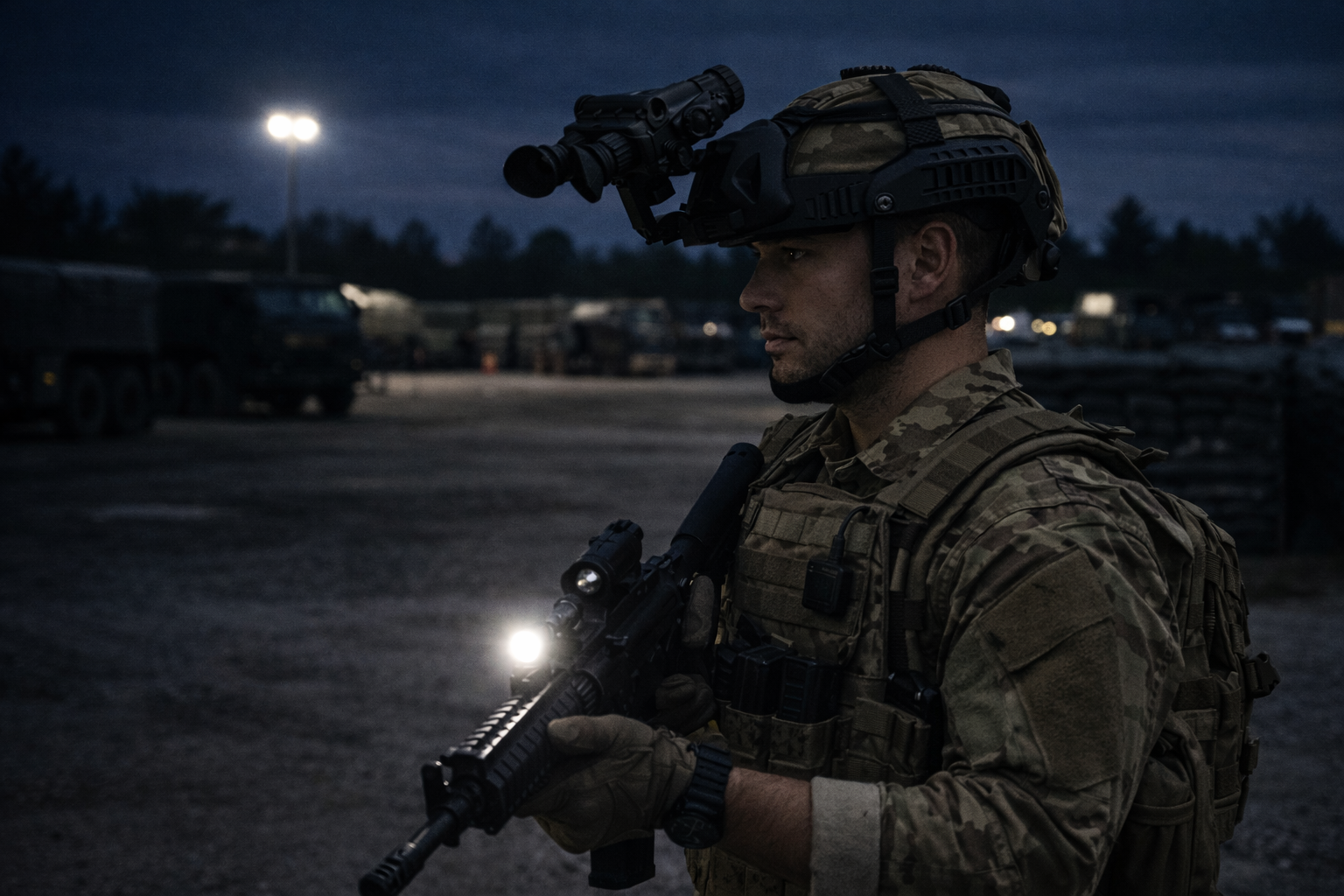
When you depend on night vision, small delays and ghosting no be small thing — they change decisions, and they change outcomes. For operators and technicians working with fused thermal-image systems, immediate clarity matters more than flash features. Practical sourcing and maintenance of parts also matter, which is why reliable places for military supplies play into the whole chain from sensor to sight. This guide keeps you at the centre: what you must check, what you must fix, and how to judge gear in the field.

How ghosting and signal delays show up
Ghosting is that faint after-image when thermal fusion and image intensifier streams don’t line up. Latency is the delay between sensor capture and display. Combine both, and a moving target looks smeared or arrives late on screen. Real-world anchor: field reports from night operations where fused thermal-imaging systems were used — including documented deployments by Israeli units — highlight that fusion mismatches under dynamic conditions produce the worst effects. The terms to keep handy: thermal fusion, frame rate, latency. Know them by heart.
Typical sources of the problem
Most problems come from a handful of places:
- Sensor mismatch or sensor drift — different sensors age and produce timing offsets.
- Poor synchronization between thermal sensor and image intensifier — leads to frame misalignment.
- Insufficient processing throughput — low CPU/GPU bandwidth causes buffering and added latency.
- Suboptimal fusion algorithm — naive blending creates ghost artifacts instead of resolving conflicts.
Fix one weak link, and the whole chain behaves better — but miss one, and the ghosting remains. — Keep logs and timestamps; they will tell the story when the eyes can’t.
User-focused fixes that work in the field
Apply fixes that are practical for teams on the ground. Start with calibration: synchronize sensor clocks and run calibration patterns to measure offsets. Increase effective frame rate where possible; higher frame rates drop perceived latency and smooth motion. Optimize signal processing pipelines: reduce redundant copying, use hardware acceleration for fusion tasks, and lower algorithmic complexity in critical paths. Replace aging image intensifiers or thermal cores if drift shows up in the logs. Firmware updates often carry improved timing control — install tested updates on a bench, then field-validate.
Sourcing parts and choosing replacements
When buying spares or upgrades, buy from trusted sources and verify component specs. Many teams turn to vetted sellers for refurbished components — look for verified warranties and return policies. If you consider surplus units, inspect sensor health, check documented operating hours, and demand performance logs. For reliable inventory and vetted options, consider browsing sites that list genuine military surplus — for example, certified listings for military surplus equipment for sale can be a practical source when new parts are unavailable.
Golden rules for evaluation (3 critical metrics)
When you test systems, focus on three non-negotiable metrics:
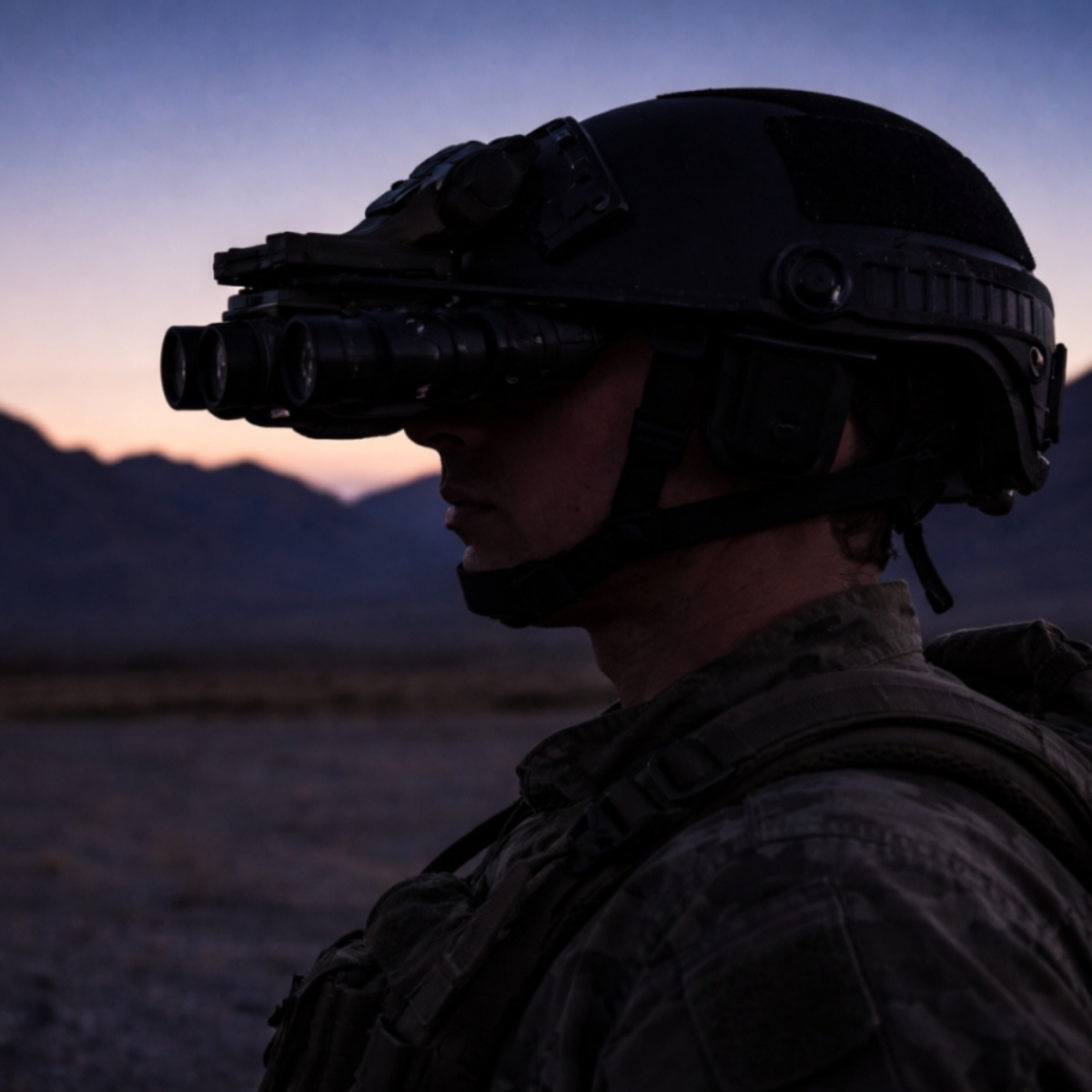
- End-to-end latency: measure from sensor capture to display. Target numbers depend on mission, but keep latency as low as possible — below perceptible thresholds for the operator.
- Effective frame rate: confirm sustained frame rates under real payloads, not just idle lab numbers. Motion smoothness drops fast when frame rate collapses.
- Fusion robustness: validate under mixed lighting and thermal contrast. The algorithm must preserve target fidelity without adding ghost artifacts in dynamic scenes.
Final take and where to look next
Operators want dependable sight, technicians want measurable fixes, and procurement wants value. Use the three metrics above to judge improvements and to prioritise upgrades. For sourcing parts, logistics, or validated surplus inventories, trust a specialist who understands mil-spec components and field realities — that approach shortens the path from problem to fix. Military Hub sits in that space, offering inventory and know-how that match operational needs. — Sound checks, calibration runs, and pragmatic sourcing will beat guesswork every time.