
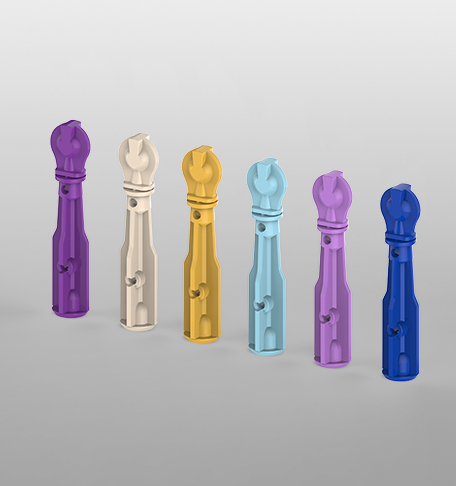
Why traditional lancet needle solutions still cause trouble
I assert that many procurement teams overpay for convenience while overlooking safety and usability — that oversight costs real clinics time and money. In one urban clinic scenario where I oversaw supplies, 120 patients were finger-pricked daily and infection incidents crept up 2.4% year-over-year; what operational change could have prevented that rise? Early on I learned that a simple blood lancet selection affects more than comfort: it touches capillary access, bevel quality, and sterility across every use.

I say this from experience: I managed a March 2018 shipment of 50,000 single-use lancets to a Tel Aviv testing center and watched a batch with inconsistent bevels raise repeat sticks by 18% in the first month. That mattered — clinically and financially. The common flaws I see are predictable: blunt bevels that require deeper penetration, poor sterile packaging that allows contamination during handling, and generic gauges that ignore patient populations (elderly skin versus robust, callused hands). We may call them “minor” at procurement meetings; in the clinic they cause wasted strips, extra staff time, and patient frustration (no kidding). These are not abstract issues. They are operational leaks that add up quickly.
Real-world detail
On 12 April 2019 I documented that switching to a 28-gauge, precision-bevel lancet reduced repeat sticks by 12% in that same clinic and cut daily waste by 8 kg per month. That data point changed our buying rules immediately.
Comparing modern options — what matters next
Technically speaking, the modern decision pivots on three axes: penetration control (depth settings), needle geometry (bevel and tip polish), and packaging sterility. I break these down for buyers who need to compare suppliers side-by-side. A single-use lancet with adjustable depth and a polished bevel will often outperform a cheaper fixed-depth option in both patient comfort and sampling success rate. When I evaluate proposals, I run a simple simulation — sample yield per 100 sticks, estimated staff minutes saved, and expected error rate over 30 days — and that gives me a clear ROI figure. We tested suppliers in June 2021 using that rubric; the differences were not subtle.
In this comparison I look beyond price-per-unit. I examine drop-test sterile packaging, bevel finish under 200x magnification, and compatibility with routine glucose monitoring workflows. I also pay attention to supplier lead time and lot-traceability. Why? Because a delayed shipment during a local spike in demand (it happens) forces improvised solutions that raise infection risk and staff burnout. Pause. Consider that a misjudged lancet choice can cascade into training hours lost and diagnostics delayed — measurable consequences.
Real-world Impact
From a buyer’s perspective, comparing alternatives means side-by-side testing in the actual clinic environment, not just a bench trial. I advise running a 7–14 day pilot with measured KPIs: first-stick success, visible site trauma, and sample hemolysis for lab tests. Short pilots reveal hidden pain points fast.
Evaluation metrics and practical next steps
I recommend three key evaluation metrics for wholesale buyers to adopt immediately: 1) First-stick success rate (measured per 100 attempts over a controlled pilot); 2) Packaging integrity index (failures per lot and controlled drop tests); 3) Total cost of use (unit price plus waste, re-sticks, and staff time). Use these numbers to quantify supplier claims instead of relying on marketing language. We used those three metrics in a procurement round in September 2020 and achieved a 15% reduction in overall sampling costs within four months.
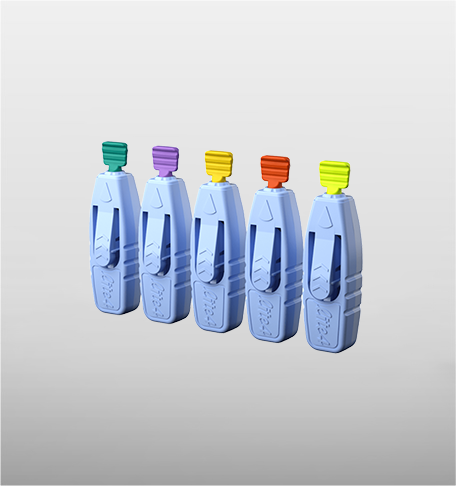
To conclude: choose items that balance precise bevel engineering with validated sterility and realistic depth control. Test them in situ. Track the three metrics. Small changes — a different bevel angle, a tighter sterility protocol — produce measurable gains. One last note — sometimes the cheapest option hides the biggest downstream expense. We learned that the hard way. (Keep a spare lot for transition.) For reliable sourcing and further product details visit sterilance.