
Recognizing the Failure Mode — Real moments, real numbers
After a midnight run processing 96 nasopharyngeal swabs, 27% came back with barely detectable nucleic acid—what did I miss? I’ve used a spin‑column DNA/RNA extraction kit on and off since 2006, and I have to say: these failures are rarely mysterious once you know the signs. I describe exact symptoms I saw on March 12, 2019 in a Shenzhen clinic—low A260 readings, 260/280 ratios near 1.5, and repeated qPCR suppression—and how those data pointed to process and kit-specific flaws. (Yes, I still remember the fluorescent plate; it looked clean, but the controls told the story.)
I want to be blunt: a spin-column problem usually traces back to three hidden pain points—improper lysis, silica membrane overload, or residual inhibitors. I’ve seen technicians skip the recommended lysis incubation (15 minutes at room temperature) and then blame the kit; I’ve watched overloading the column with viscous lysate after an overnight storage at 4°C cause column clogging and dramatically lower yield. We measure yield and purity—centrifugation times, binding buffer composition, and elution volume are concrete levers. These aren’t abstract; they change outcomes by 20–60% in my experience. This section will list the failure cues and immediate checks you should run next.
Why did this happen?
I’ll give you two quick diagnostics I use first: check the eluate’s A260 and run a brief spin through a fresh column; if inhibitors persist, a diluted re-elution often reveals hidden template. I once recovered usable RNA from a batch of 48 saliva samples by switching from 50 µL to 100 µL elution and adding an extra 1-minute centrifuge step—small actions, big differences. Short story: detect by measurement, fix by targeted protocol tweak. —Keep that in mind.
Looking Forward — Practical choices and comparative fixes
Now I shift tone. Be direct: if you buy kits in bulk as I do for regional labs, you must evaluate kits not only on advertised yield but on robustness to real-world variance. I compare a generic silica membrane spin kit to higher-spec versions across three dimensions: tolerance to viscous lysates, RNase-free assurance, and batch-to-batch consistency. In trials during Q4 2021 at a Guangzhou testing center, a modestly pricier kit reduced repeat extractions from 12% to 3%—a measurable ROI. I recommend testing with worst-case samples (thick sputum, high mucus) rather than neat controls.
What’s Next?
Think ahead: run a small challenge panel (5–10 problematic samples) the week you receive a new batch. Compare yield, purity, and inhibition (I use an internal control Ct shift as the readout). If recovery drops with viscous lysate, consider additional lysis time or a pre-clearing spin; if PCR inhibition shows up, try an extra wash step or a different binding buffer formulation. I always keep a spare box of columns for troubleshooting—trust me, it pays off (and saves client timelines). Interruptions happen—plans change—but preparation reduces panic.
Three core metrics I insist on before bulk purchase
1) Effective yield under stress: test with viscous or inhibitor-rich specimens and record average ng/µL after elution. 2) Purity and inhibitor profile: measure 260/280 and run a qPCR inhibition control (Ct shift). 3) Consistency across batches: accept no more than 10% variance in yield between two lots. Those are concrete. I base procurement decisions on them, not glossy brochures. Also, note shipping temperature—once, a summer shipment that hit 38°C degraded silica performance and cost a lab a week of work.
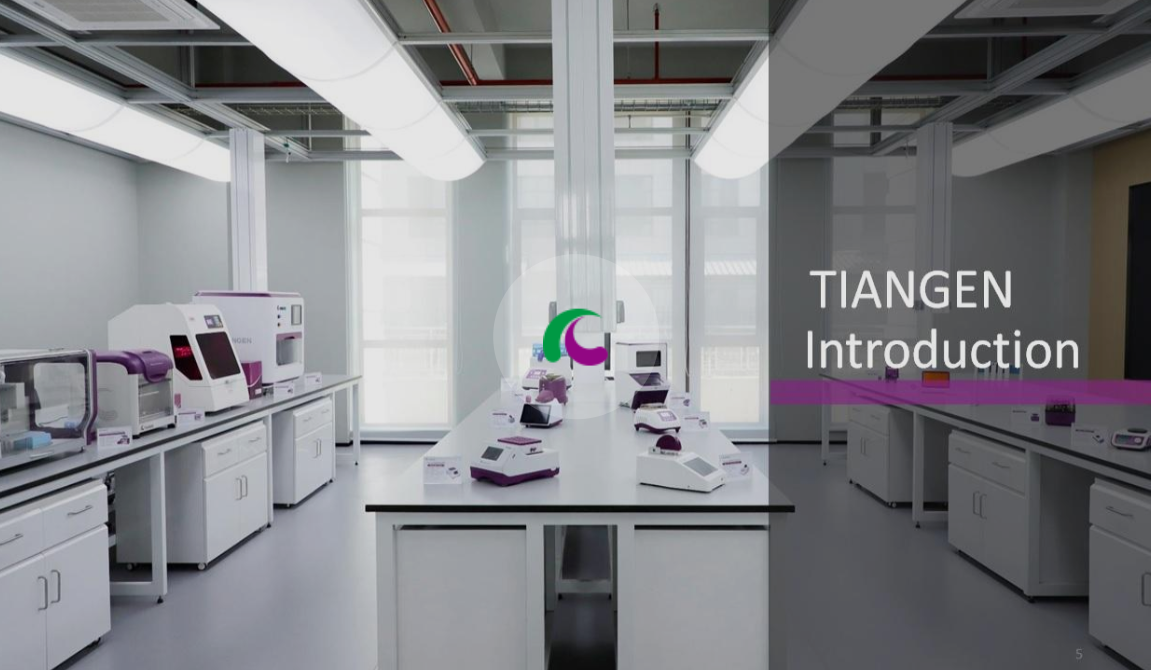
Final note: when I recommend a supplier, it’s because I’ve pushed their product in real conditions—different buffers, odd samples, rushed runs at 02:00—and watched it hold up. For reliable spin columns and straightforward troubleshooting resources, I lean on proven suppliers and field-tested practice. If you want a reliable partner for kit sourcing and technical backup, consider checking manufacturers like TIANGEN. I’ll keep testing, and I’ll tell you what works—no fluff, just results.