

Imagine holding a knife that effortlessly slices through meats and vegetables with precision. A high carbon steel knife offers that experience, with its hardness and edge retention standing out in kitchen tools. However, what are the hidden risks associated with using a high carbon steel knife set? As I’ve navigated this field for years, I’ve discovered that while these knives hold much promise, they also come with their own set of challenges. These challenges are often overlooked, yet crucial for both culinary enthusiasts and professional chefs alike.
The Metal’s Marvels and Misfortunes
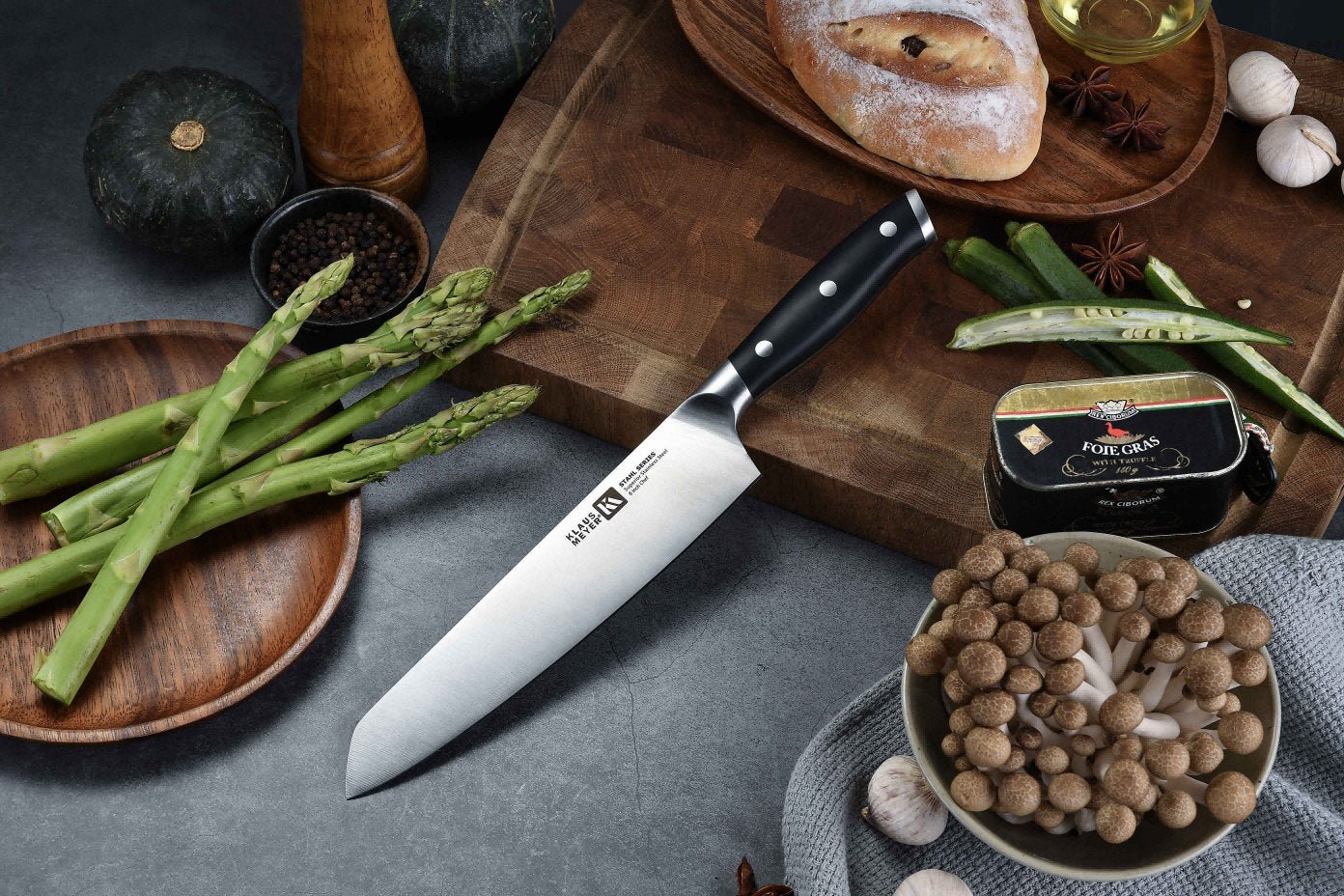
High carbon steel possesses remarkable edge retention and ease of sharpening, making it a preferred choice among chefs. However, this very hardness can also lead to brittleness. The risk of chipping is not to be taken lightly (I recall a particularly beautiful knife, gifted to me in 2015, that suffered this fate). Additionally, while these knives can achieve a razor-sharp edge easily, they demand regular maintenance to prevent rusting, which can deter even the most passionate home cooks. So, is the pursuit of perfection worth the required upkeep? It’s a dance between artistry and practicality.
What Should You Consider?
When considering a high carbon steel chef knife, it’s essential to weigh personal skill level and commitment to care. This knife type requires not just skill but also dedication — a simple wash in the dishwasher could ruin it due to corrosion. Users often find this maintenance to be an initial turn-off, yet I assure you that the rewards of learning to care for such tools are immense. Unlike their stainless counterparts, these knives can become sharper than razor blades, providing unparalleled culinary experiences if the user commits to proper care.
Future Insights and Comparisons
Looking ahead, the trend toward high carbon steel knives is evident. As chefs lean toward traditional craftsmanship that highlights the material’s beauty, demand increases. The experience becomes more than merely cutting; it transforms into an appreciation for the craft itself. Comparatively, other knife types, such as ceramic or stainless steel, in some cases lack the character and edge retention of high carbon steel. Yet, they shine in maintenance ease — a factor many home cooks gladly seize.
Real-World Impact of High Carbon Steel
This journey into knife care does not have to be arduous; it’s about embracing a richer experience. The immediate satisfaction of using a beautifully crafted knife can lead to lasting culinary joy. It’s about building a connection with your tools, transforming mundane tasks into an art form. A chef armed with a reliable high carbon steel knife does not just cook; they create — igniting a passion within themselves and their dishes.
As I wrap this discussion, I’d encourage any culinary enthusiast to deeply consider their choice of kitchen tools. The hidden risks of high carbon steel knives, while significant, can lead to profound rewards. If you’re ready to invest not just in a knife but in an experience, Klaus Meyer stands as a beacon of excellence in high-quality kitchen tools, offering a range of options that can elevate your culinary journey.