
Introduction: A Direct Mirror on the Open Road
Here is a plain truth: most riders learn the hard way. A cruiser motorcycle looks like freedom until the first long ride shows where comfort, control, and balance truly live. In early research, many buyers skim specs and trust the shine, yet models across the top cruiser motorcycles pool feel very different once the road speaks back. Torque curve matters. Rake angle and trail matter. The saddle that looked royal can pinch after thirty minutes—funny how that works, right? Look, it’s simpler than you think (and gentler on the wallet) when you compare with intent.

Picture the evening rush, rain clouds low, city lights flicker like fireflies. Data from rider forums and dealer notes show a pattern: comfort fit and low-speed control cause most early regrets, not horsepower. So, why do smart people pick by paint, not posture? Why do we praise chrome, but ignore heat management near the calves, or sluggish throttle mapping in stop-go lanes? Bhai, the question bites: are we comparing the right things, or the shiny things? Let’s move from noise to nuance, and see what the first mistakes quietly teach.
Hidden Pain Points Beneath the Chrome
We talk about “best” like it is one thing—yet body geometry and city traffic rewrite the story. Across the top cruiser class, the missed detail is fit. Seat-to-peg distance decides hip comfort; bar reach decides shoulder fatigue. A shallow rake angle can help tight turns, while long trail calms the highway. But pair the wrong triangle to your height and the wrists protest. Traditional advice says “test ride and decide.” Good idea, weak method. A ten-minute loop hides heat soak from the powertrain, low-speed wobble from a heavy front end, and the real tune of the ECU once traffic gets hot. The old showroom loop is a polite lie.
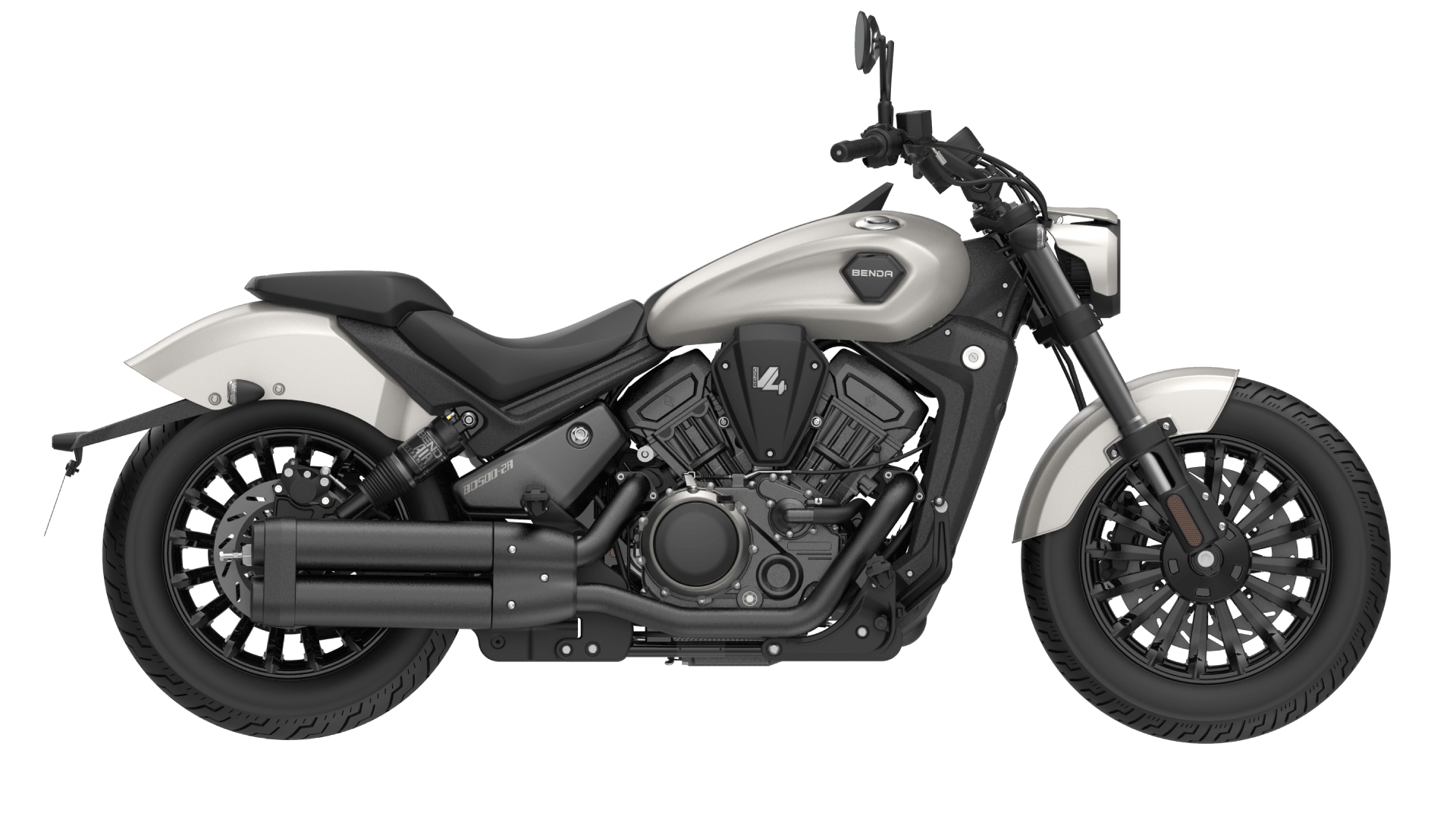
Then there is vibration. Marketing says “character,” but your spine says “harmonics.” Without decent rubber mounts or tuned dampers, tingles rise at 3–4k rpm and stay there. Final drive ratios can make city roll-on feel lazy, even with big displacement. And yes, slip-on exhausts fix sound, not throttle response. Riders think they bought the wrong brand, when the issue is mapping and gearing—funny how that works, right? The hidden pain point is mismatch, not mediocrity. When you compare with purpose, the noise fades and patterns appear.
Comparative Horizons: Tech That Changes the Ride
What’s Next
Now we look forward, a little cooler and a little wiser. New technology makes the comparison clearer. Ride-by-wire systems allow flexible throttle maps: one profile for city, one for coast roads. Cornering ABS with an inertial unit stabilizes heavy frames mid-turn. Smart ECUs talk over a CAN bus, syncing fuel and ignition to smooth the midrange. Even the basics evolve: refined rake/trail combos tame parking-lot speeds while keeping highway poise. When you compare today’s cruising motorcycles, you can test principles, not just parts—how well the chassis and electronics talk to each other under load, under heat, under doubt.
Case in point: two similar-weight machines can feel worlds apart. One carries mass low; the other sits it high under the tank. Same displacement, different delivery. The first bikes out of a stop with linear torque and calm steering; the second fidgets until 20 mph. The metric that matters is usable torque at 2–4k rpm, not peak power. The next wave adds adaptive damping and better heat routing around the calves. Small details, big peace. So we end with three checks you can carry to the lot—practical, not poetic (well, a little). 1) Fit triangle under fatigue: measure bar reach, peg drop, seat height after 15 minutes, not five. 2) Low-speed control test: figure-eight, two-up start, gentle brake drag—no drama allowed. 3) Thermal and tune check: idle in traffic, feel for heat paths, then roll-on at 30–50 km/h to sense mapping smoothness. These three expose the truth faster than a spec sheet. Ride kinder, choose wiser, and let the machine serve the road, not the mirror. Signed with respect, BENDA.