
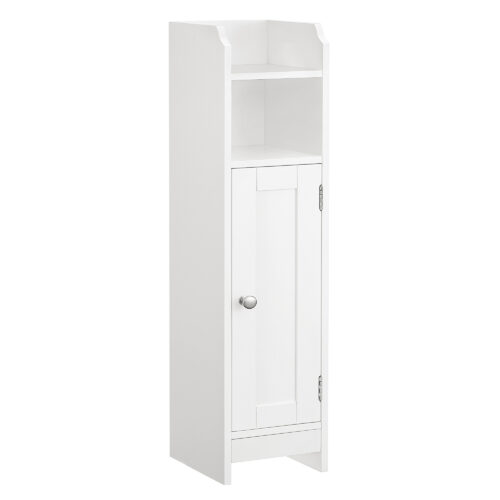
The Scene, The Numbers, The Big Ask
Here’s the play: buyers hustle hard, shelves need stock, and the sink area still has to look fresh. Bathroom cabinet wholesale is where the margins live or die. Picture a dealer waiting on a container that’s stuck in limbo, returns piling up from chipped edges, and reviews going sideways. Last quarter, one chain logged a 14% spike in returns, a 9-day slip in lead time, and a quiet hit to cash flow—no cap. So, what actually flips the script on cost, quality, and speed when the market is this tight (and the clock is rude)? The real question: which choice moves the needle more—buying through layers or going straight to the source? Let’s roll from the street view to the system view, then pick a smarter lane.
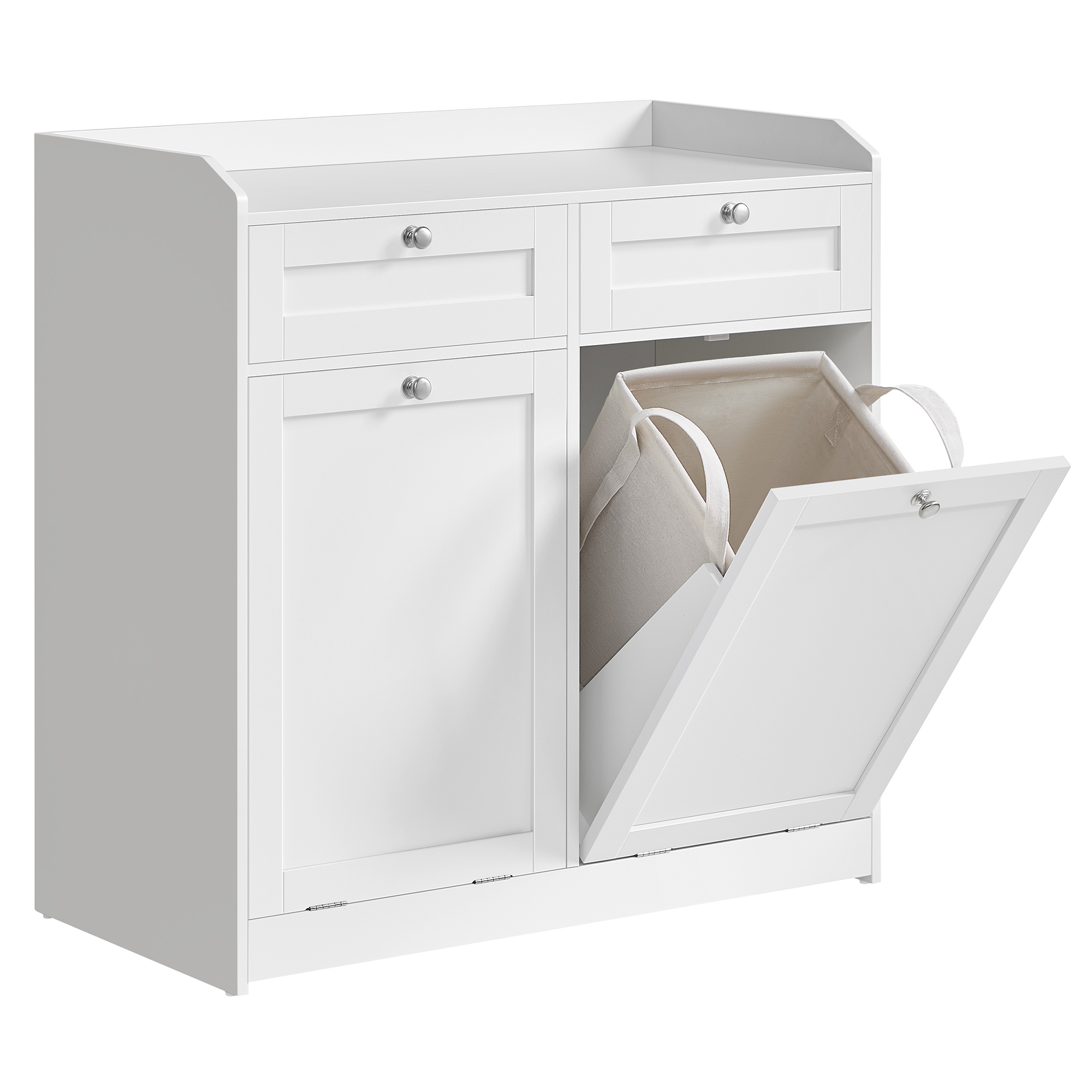
Hidden Flaws in the Old Sourcing Stack
When you route through three middlemen, every hop adds loss. A direct bathroom cabinet supplier avoids the daisy chain, but the traditional model leans on it. That stack inflates MOQ, stretches lead time, and muddies accountability. Specs drift. One batch lists IP44 rating; the next “equivalent,” which isn’t. Freight gets quoted FOB, then the landed cost balloons after accessorials hit. And your ERP can’t see upstream shifts, so promos misfire and channel fill rate dips. Look, it’s simpler than you think: too many hands means too many chances for finish mismatch, hinge noise, or color variance under store lights. That’s how your “premium matte” turns semi-gloss by surprise—funny how that works, right?
Why do old playbooks break?
Sampling is slow, QC is fragmented, and responsibility is blurred. Distributors buffer risk but also buffer data, so you learn about a soft-close hinge defect after TikTok does. Pallet damage spikes because cartons weren’t tested for the last-mile mess. Without upstream BOM control, a drawer slide swap saves a dime and costs a point in returns. SKU rationalization stalls since no one can confirm what’s modular versus fixed. Result: more warehouse touches, higher pick errors, and back orders that bruise trust. A direct relationship tightens the loop—shared dashboards, faster pre-shipment checks, and spec locks—so changes travel one hop, not five.
New Tech Principles and the Comparative Edge
Let’s push it forward. The better path isn’t only “go direct.” It’s go direct with visibility. Vendors that wire in digital QC, barcode-first BOMs, and event-based alerts let you manage risk in real time. Think lightweight EDI, API hooks to your WMS, and pre-booked slots for cross-docking. A factory that tracks CNC tolerances and carton drop tests can cut returns by design, not apology. Compare that to the old relay race: you get status emails; your buyer gets vibes. Now, pair a direct line with a clean catalog—P2 MDF cores, soft-close hinges, anti-fog demister kits—and you can plan sets, not guesses. And when your partner also works as one of the seasoned bathroom mirror cabinet manufacturers, mirror-lighting specs and cabinet finishes sync by default, so the aisle looks curated, not cobbled.
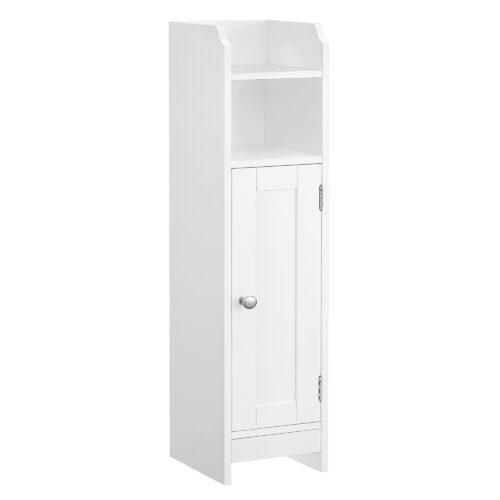
What’s Next
New tech principles make the difference: upstream testing and tagged components, real-time container ETAs, and warranty signals fed back into design sprints. That cuts noise in claims and keeps assortments tight. You get fewer edge-case returns and better floor sets. Cost doesn’t just drop; it stabilizes. And stability is power. Side-by-side, traditional layering drifts on lead-time guesses, while direct-plus-data nails the window and trims dead stock. Fewer emergency buys. Better allocated space. More predictable cash. The next step is practical: run a pilot with shared KPIs, then scale. If the pilot hits, bake it into your buying calendar—and lock specs so the wins stick.
To close, here are three metrics to judge any path: 1) defect rate by component class (hinge, slide, finish) and its trend over 90 days; 2) true landed cost variance per SKU, including returns and rework; 3) lead time adherence by milestone, not averages. Score those across vendors and the better choice pops. Keep the tone steady, keep the data tight, and keep it human. You fix the aisle; customers feel it. That’s the quiet flex. SONGMICS HOME B2B