
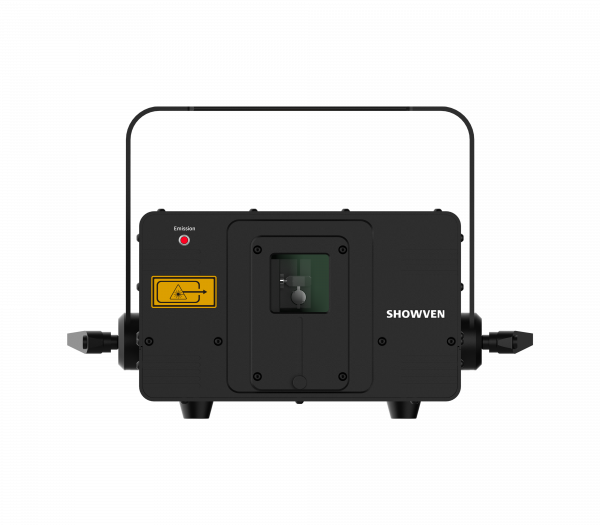
Intro: The Floor Moves When the Light Says Go
Here’s the deal: the room doesn’t pop because the song drops; it pops because the beams tell every body where the energy lives. DJ laser light isn’t just decoration; it’s a signal system that rides the beat and frames the space. In real shows, venues see longer stays when visuals lock tight with the kick and melody—timing matters, like, a lot. And when scanning mirrors paint sharp lines right on cue, the crowd follows without thinking. So what’s the secret sauce behind that “whoa” moment, and why do some rigs feel laggy even with the same tracks? Is it the programming, the optics, or the DMX cues that miss by a hair? (Probably a mix.) We’ll stack options against each other, look at the movement physics—beam divergence, scan speed, color modulation—and ask the simple question: which choices put more feet in motion, faster? Hold that thought; we’re about to split the good from the meh.
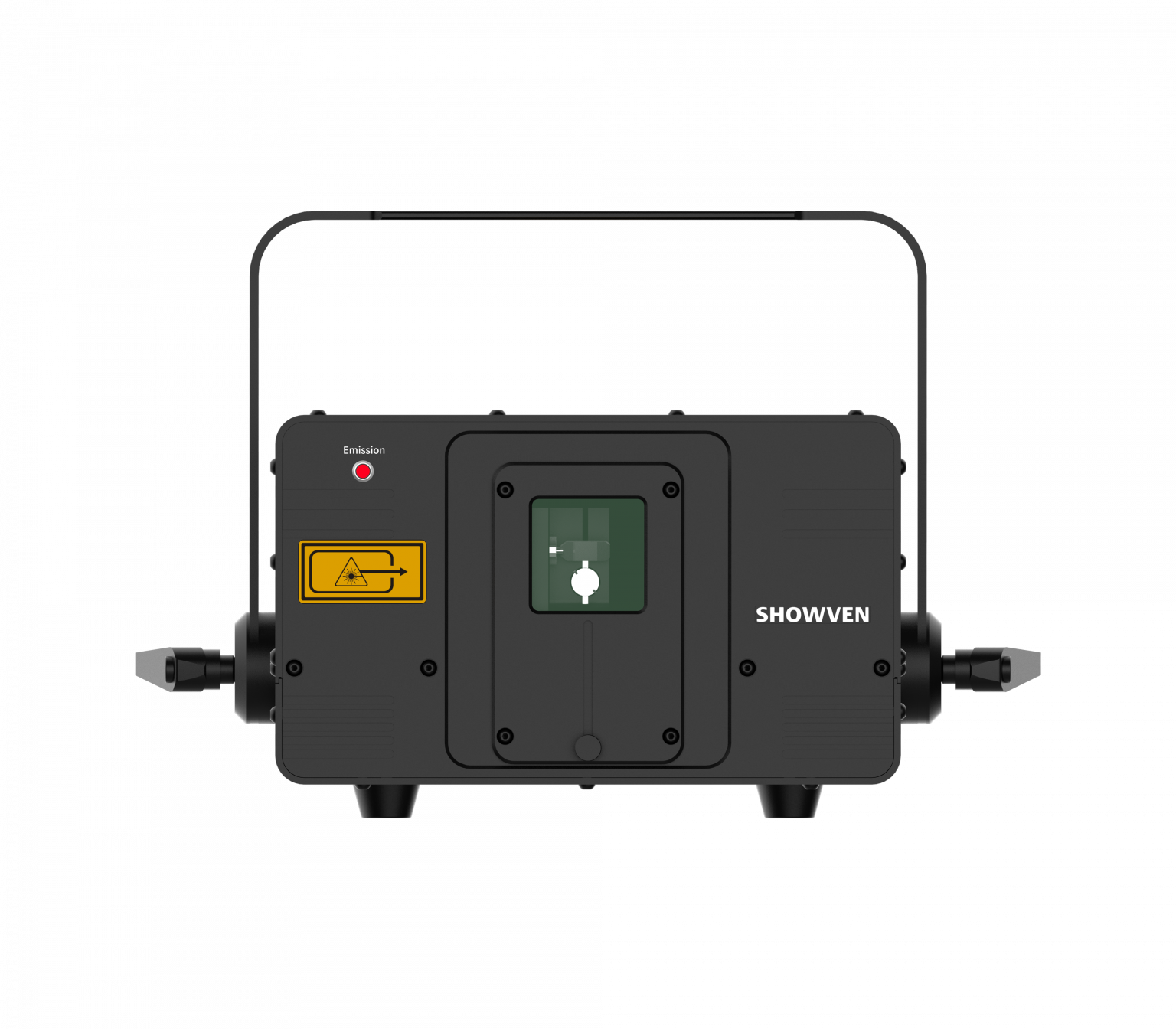
Part 2: The Hidden Friction in Party Lighting Rigs
What keeps a “wow” rig from landing?
Let’s get technical. A lot of party lighting lasers look hot on paper but trip on the basics. The first snag is control latency: cheap drivers and slow DMX stacks push cues late, so the beam hits after the snare. Look, it’s simpler than you think—humans feel a 30–40 ms slip. Add it up with fog bloom, and the scene feels mushy. Second, scanning galvanometers get pushed past spec; lines wobble, shapes tear, and beam divergence widens, so power feels diluted. Third, weak power converters sag under peak draw, causing color flicker right when the crowd peaks. Then there’s the ILDA mapping that never got calibrated, so circles look like ovals. All tiny, all fatal to flow.
Hidden pain points run deeper. DJs want one-tap looks that hit every break. But many rigs bury basics behind nested menus, so designers ride guesswork. Safety interlocks? Often clumsy, so operators disable them—dangerous and dumb. Cooling paths clog, cutting diode life and brightness mid-show. Even audio-react modes can be trash if the FFT windowing isn’t tuned, so strobes misfire on off-beat toms—funny how that works, right? When the system fights you, you stop exploring. That kills creativity before the second drop.
Part 3: New Tech Principles, Real-World Wins
What’s Next
Now shift the lens forward. Modern control stacks put timing first: tight clocking, predictive buffering, and low-jitter drivers keep frames glued to the BPM. Some setups push analysis to edge computing nodes near the fixtures, so beat detection stays fast even when Wi‑Fi hiccups. Faster galvanometer response with tuned PID loops means cleaner angles and fewer redraw artifacts. Smart color engines modulate power with PWM curves tied to scan speed, so lines stay bright without cooking the diodes. In short, less guesswork, more physics. If you’ve only used older boxes, compare a set of professional DJ laser lights running synchronized cues against legacy DMX-only paths—the difference is night and day, and your crowd reads it in one chorus.
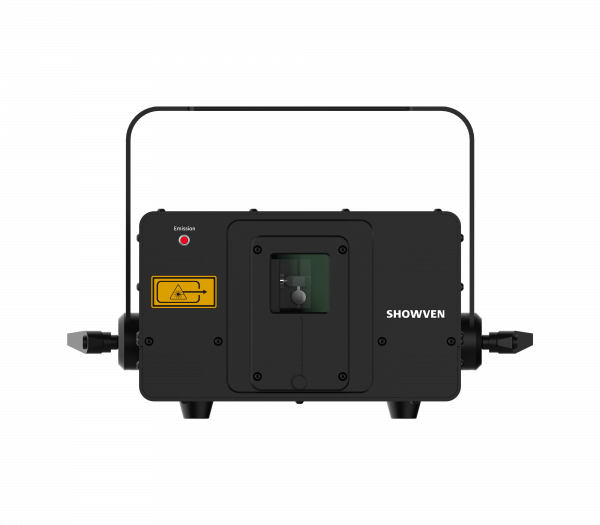
Here’s how to choose, with measurable guardrails. First, timing fidelity: look for end-to-end latency under 20 ms from cue to beam, verified with a scope or high-speed capture. Second, optical integrity: check beam divergence at different zooms and scan angles; test for shape accuracy at 30K–40K PPS and note corner sharpness. Third, power stability: stress-test power converters during full white and fast chases; no dips, no color roll, no fan surge weirdness. Bonus points for robust safety interlocks and a clean ILDA path or FPGA timing core—no joke. Wrap-up: the floor responds to precision you can’t see but can feel. Cut the lag, keep the beam tight, and let the show breathe. For tech that aligns with these principles and keeps evolving, check out Showven Laser.