
Introduction: A Night at the Charger, and What It Really Teaches Us
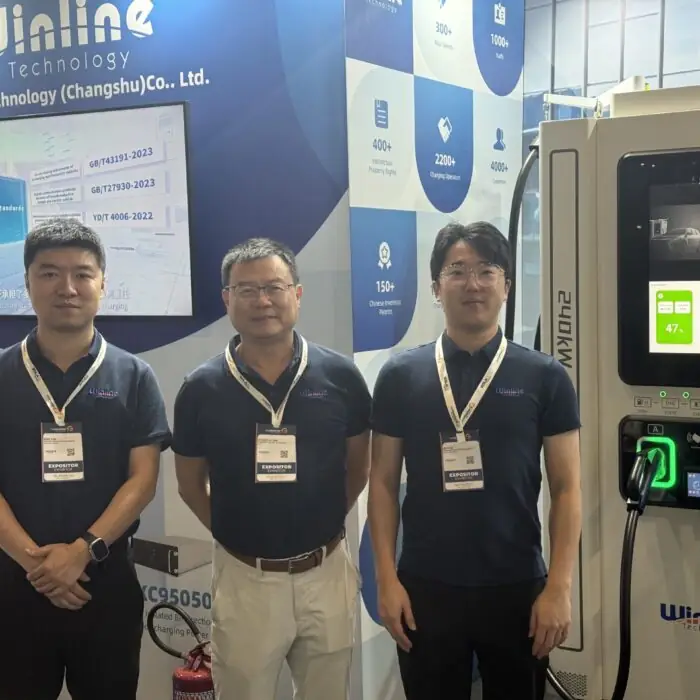
Picture a rainy Friday night in Mong Kok. Cars queue, drivers check apps, and one station reboots mid-charge—stress, la. Behind the scene, EV charger manufacturer / winline faces the same question every day: how do you keep power stable when usage spikes and the weather doesn’t care? In dense districts, uptime above 99% and average session times under 30 minutes are not “nice to have”; they’re the baseline. But the numbers hide something else—when bursts of demand hit, small design choices inside the module decide whether your charge completes or stalls (aiya). So what’s the edge that turns chaos into calm, and why does it matter for tomorrow’s networks—funny how that works, right?
We’ll compare how consistent, modular engineering changes outcomes on the ground. And we’ll do it by zooming into one core piece of the puzzle, then looking forward to what’s next.
Deeper Layer: Where Legacy Modules Struggle, and Why That Matters
Why do legacy modules fall short?
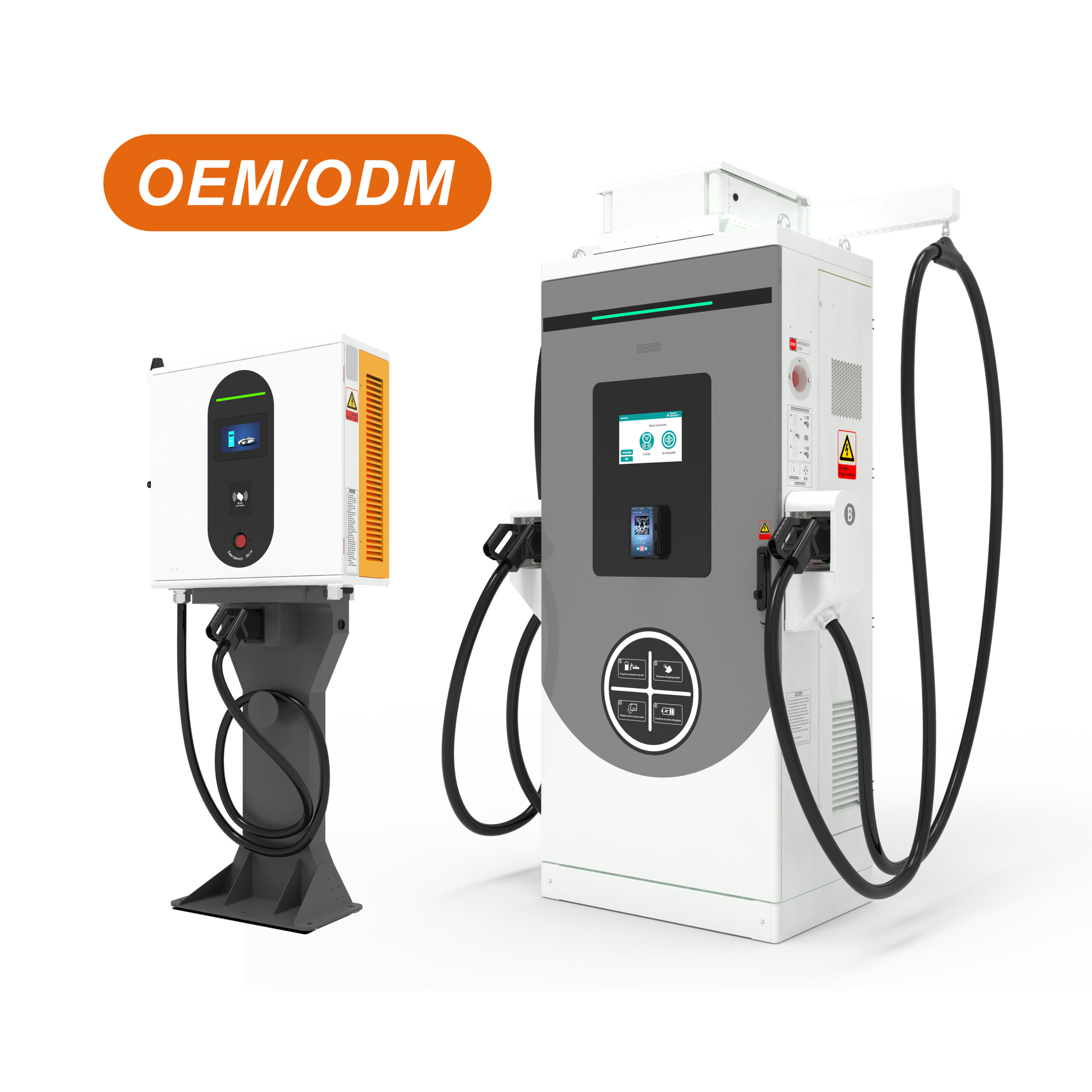
Let’s get specific and technical. The heart of many cabinets is the module. With the EV power module 70 as our lens, we can see where older designs hit limits. Traditional stacks tie rectifiers close to a single DC bus with minimal filtering. Under peak load, DC bus ripple rises, control loops lag, and heat builds at the worst spot. That’s when thermal management gets noisy and clumsy, and MTBF drops faster than you’d expect. In practice, users feel it as slower ramp rates and a higher chance of mid-session cutbacks. Look, it’s simpler than you think: bad heat paths and sloppy control logic equal lost minutes and more restarts. And restarts kill trust.
Another flaw hides in the handshake layer. When communication is limited to basic alarms over a busy CAN bus, recovery becomes manual, not adaptive. The cabinet can’t isolate a weak slice fast enough. So one stressed lane drags others down, like a queue that stops moving because someone at the front can’t tap a card. The impact is subtle but real—efficiency numbers look fine on paper, yet in the field, harmonics creep and protective thresholds trip early. The result: more service tickets, more fans spinning, and a schedule that never quite catches up.
Forward-Looking Comparison: Principles That Push Charging Further
What’s Next
Now the comparative view: what design choices change the outcome tomorrow? Modern modules build around faster control loops, better sensing, and clean isolation. Instead of pushing everything through one thermal choke point, they distribute heat paths and let each slice stabilize its own output. That’s where a next-gen module—and a smart fast charging module in particular—steps up. With higher conversion efficiency at partial load and tighter fault domains, the cabinet dodges cascaded slowdowns. Think principles, not parts: localized feedback, predictable derating, and protection that quarantines trouble before it spreads. It sounds fancy, but the payoff is simple. Shorter queues. Fewer retries. Less noise. And yes, calmer nights.
Here’s the tech angle, kept semi-formal. Components like SiC MOSFETs help lift efficiency, but the real win comes from system design: stable current sharing across modules, cleaner EMI behavior, and a derating curve that doesn’t fall off a cliff at 45°C ambient—funny how the “boring” details decide the user experience, right? When you compare approaches side by side, the pattern shows: platforms that manage heat and feedback locally deliver smoother ramp-up and less DC bus drama. Summing up without repeating ourselves: fix the handshake, trim the noise, and your uptime looks honest in the wild, not just in the lab.
Advisory close—three quick metrics to judge any solution. One: conversion efficiency at 30–60% load, not just the peak spec. Two: the thermal derating curve above 40°C; check how much current you actually keep. Three: diagnostics depth—can the system report per-slice health over CAN bus and predict a fault before it trips? Use these, and you’ll separate real-world-ready designs from pretty brochures. That’s the lens worth keeping as you assess options from Winline.